_Horizontal%20%20White-%20Logo%20and%20Text%20copy.png)
_Horizontal%20-%20Logo%20and%20Text.png)
Why Every Town Needs a Digital Front Door
Why Every Town Needs a Digital Front Door
Civilization didn’t begin in empires or capital cities. It began in towns.
From the earliest settlements, the town has been the fundamental unit of human society — a place where people could know one another, share a common identity, and build something lasting together. The town is where culture takes root, where commerce becomes personal, where strangers become neighbors, and where the delicate balance between visitor and resident is negotiated every day.
This is still true today, especially in small tourist towns. Yet in the digital age, something quiet but profound is happening: these towns are slowly being stripped of their role as hosts. The digital infrastructure that shapes how visitors discover them, spend money in them, and experience them is almost entirely owned by distant platforms that see the town as little more than inventory.
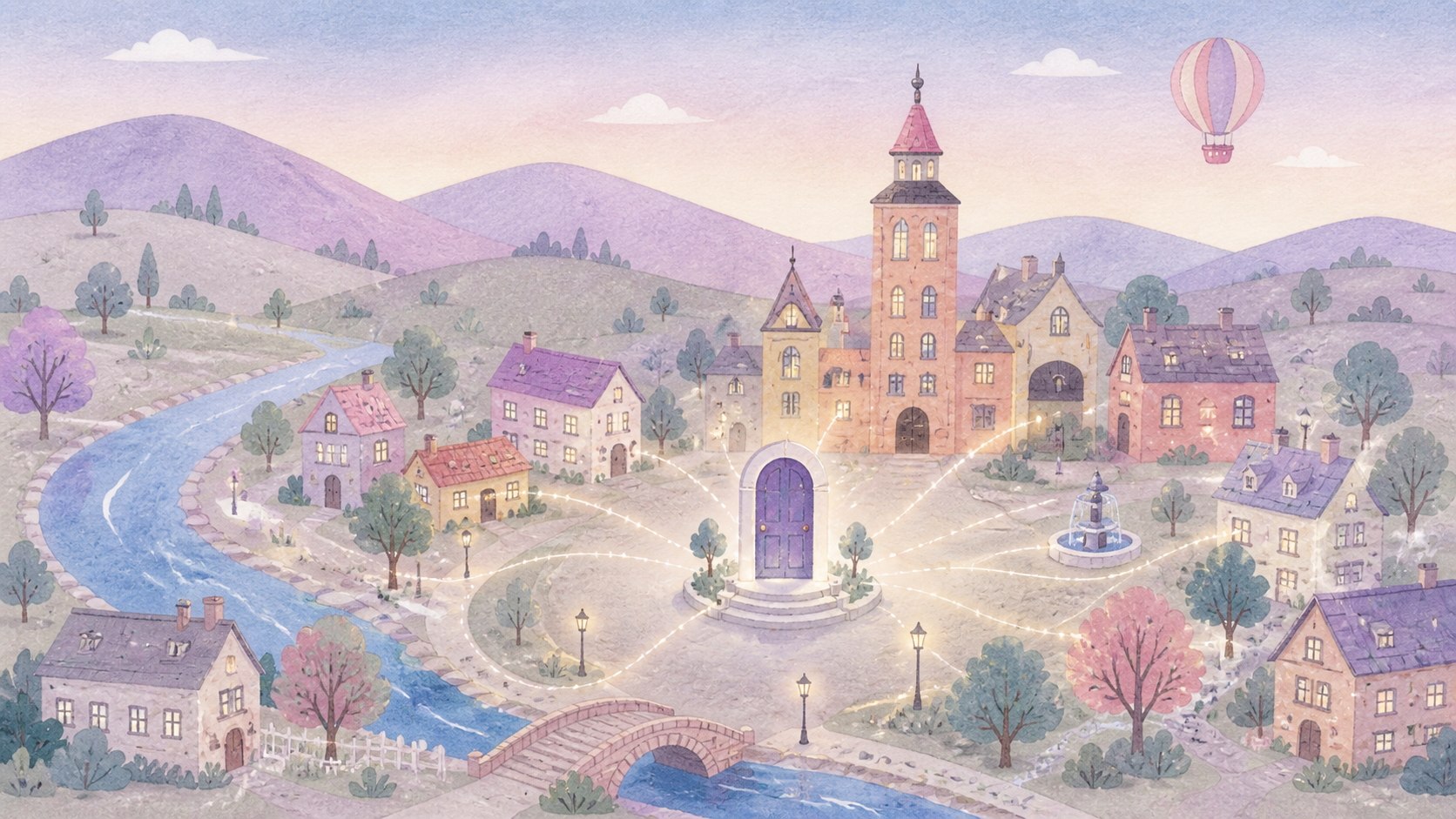
This is why every small town, particularly those with significant tourism, urgently needs a digital front door: a single, community-owned platform that acts as its official welcome mat and operating system in the modern world.
The Fragile Heart of a Town
A town is more than its buildings and businesses. It is a living web of relationships, stories, rhythms, and shared meaning. When visitors arrive, they are not simply consuming experiences, they are stepping into someone else’s home. The best towns understand this instinctively. They extend hospitality not as a transaction, but as an expression of identity.
Yet today, the tools that mediate that hospitality — booking sites, mapping apps, review platforms — treat the town as a collection of listings. Local knowledge is flattened. Revenue leaks away. The subtle, human connections that make a place special are replaced by algorithmic efficiency.
Without a digital front door, the town gradually loses control over its own story and its own economy. The very thing that made it worth visiting, its distinct character and local identity, becomes harder to protect and express.
What a True Digital Front Door Looks Like
A digital front door isn’t another tourism brochure website. It is the town’s modern equivalent of the old town square or the front porch, a place where visitors and residents meet on the town’s own terms.
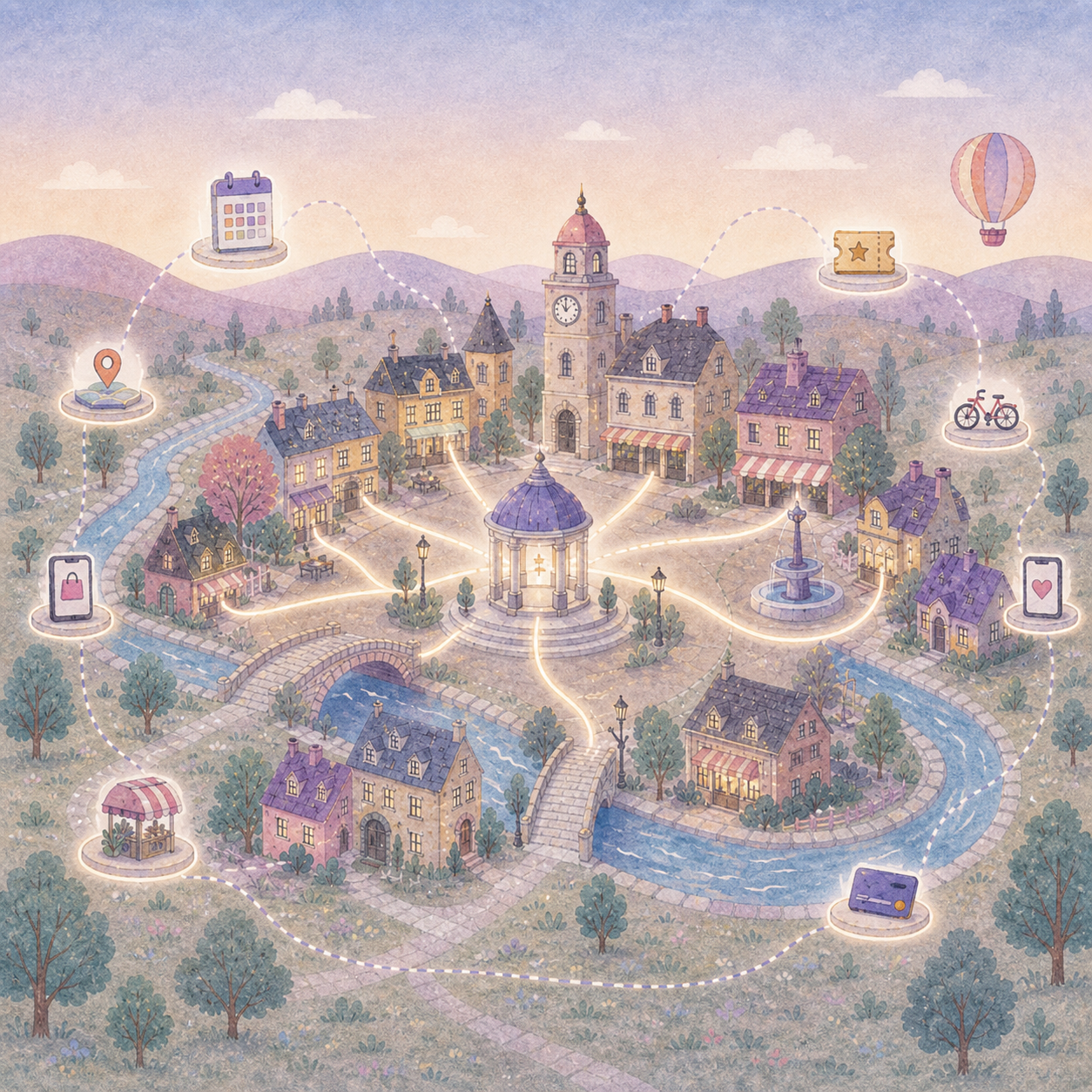
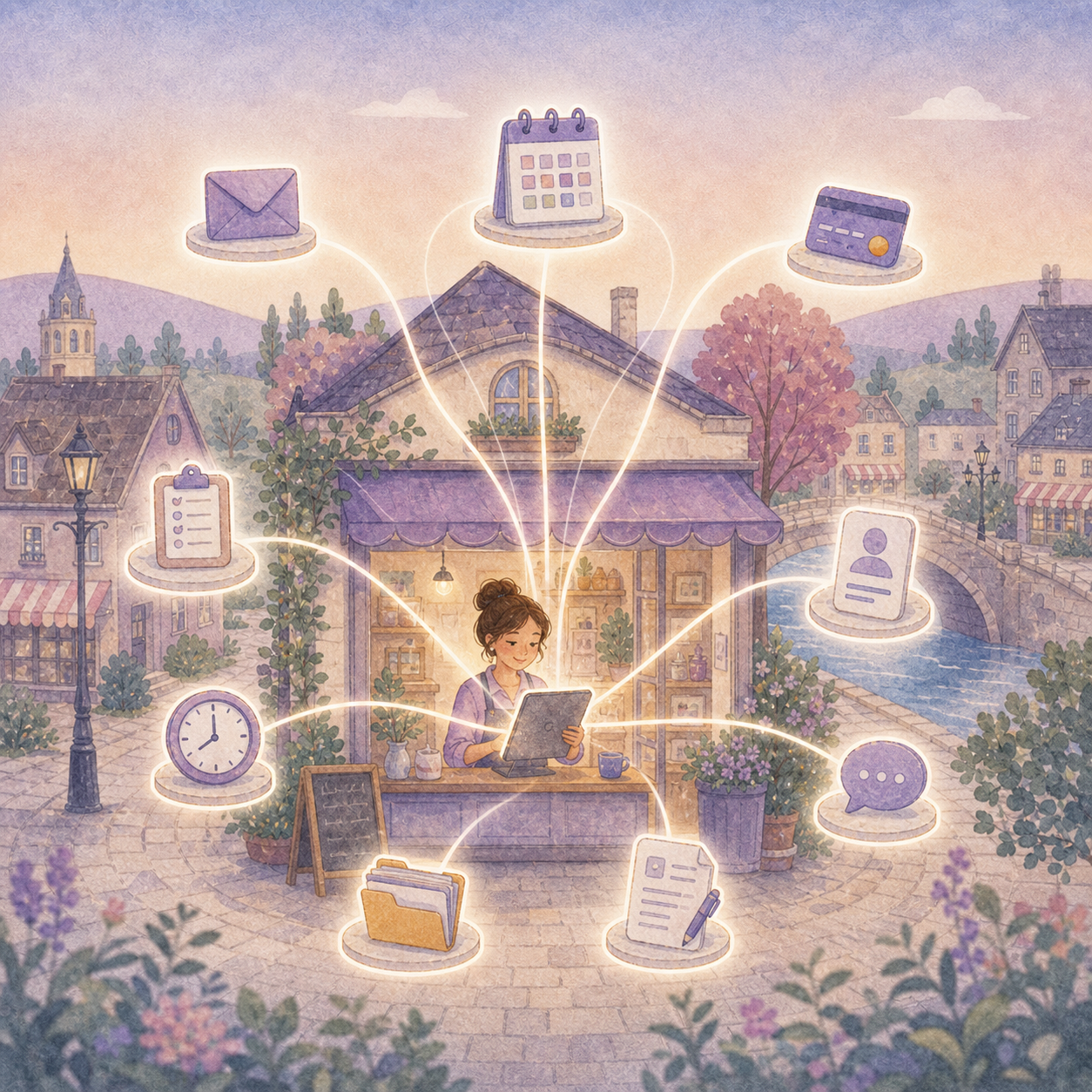
It is a unified platform that brings together:
- Hyper-local discovery powered by an AI (like Xen) trained specifically on that town’s history, trails, monuments, events, and character
- Seamless booking, payments, waitlists, and a universal town cart
- A community gift card program that circulates money back into local businesses
- Tools that help the chamber and town government better understand and serve their visitors
Most importantly, it returns a meaningful share of the value it creates as revenue, directly back to the town itself. The technology exists to strengthen the community rather than extract from it.
Towns as the Bedrock of Civilization
Throughout history, towns have been the places where civilization actually happens. They are where shared identity is formed, where commerce becomes personal, where culture is practiced daily, and where people learn to live together across differences. Empires rise and fall, but towns endure because they are human-scale.
When we allow distant platforms to own the digital layer of a town, we risk undermining this ancient foundation. We turn places that once had soul and particularity into interchangeable destinations. A digital front door reverses this trend. It gives the town agency over how it presents itself to the world. It protects local identity while making the town more accessible and vibrant.
It reaffirms a simple but powerful truth: towns are not products. They are living communities. The technology we build for them should reflect that reality.
Cooperation and Shared Purpose
Perhaps the greatest gift of a digital front door is that it creates a new center of gravity for cooperation.
When a town has its own platform, the chamber, local government, businesses, and residents begin working toward the same goal: creating an exceptional experience for visitors while protecting and strengthening what makes the town special. This shared purpose is rare and powerful. It moves the conversation from competition over scarce attention to collective stewardship of something valuable.
In this way, the digital front door becomes more than infrastructure. It becomes an act of cultural preservation and renewal.
The Choice Before Us
Every small tourist town now faces a quiet but consequential choice.
It can continue allowing distant platforms to shape how the world sees it and how its economy functions. Or it can build a digital front door, a platform that belongs to the community, serves its people, and helps carry its unique character into the future.
The town that chooses the latter does more than protect its economy. It reaffirms its role as one of the oldest and most essential building blocks of civilization: a place where people, stories, and shared life still matter.
In the end, every town needs shared digital infrastructure not because technology is inevitable, but because the soul of a town is worth preserving, and because the best way to do that in the twenty-first century is to meet the modern world on the town’s own terms.